Umm Suqeim
A villa district on the Jumeirah beachfront between Jumeirah and Al Sufouh, with three sub-districts, Kite Beach, schools and the hotels around Burj Al Arab. Explore Umm Suqeim 1-3, housing formats, transport and everyday infrastructure.
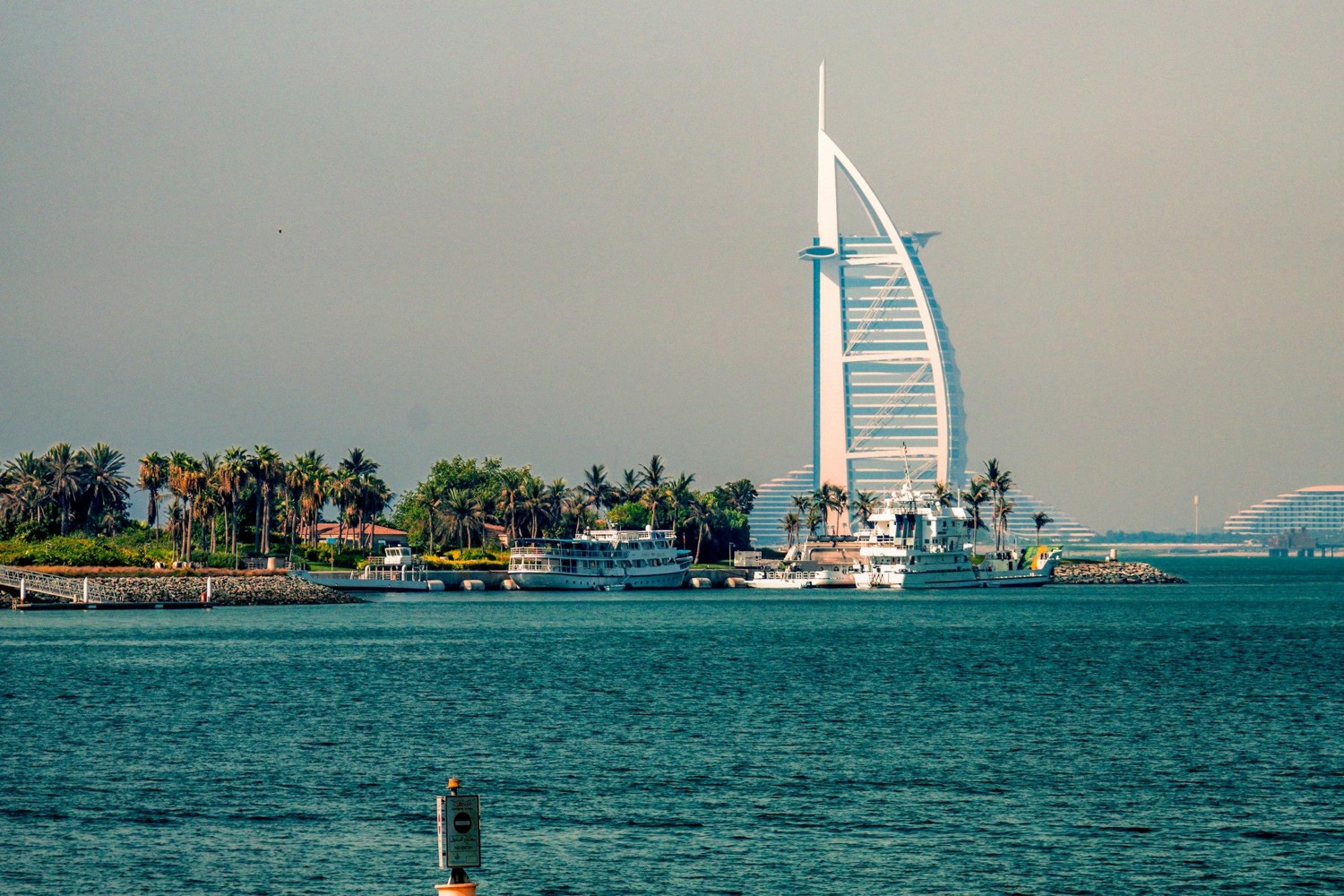
Umm Suqeim: an established Jumeirah beachside community
Umm Suqeim is a residential district in western Dubai stretched along the Jumeirah Beach coastline. Jumeirah borders it to the north, Al Sufouh to the south, and Umm Al Sheif, Al Manara and Al Safa lie inland. The area divides into three sub-districts: Umm Suqeim 1, 2 and 3. It is an established low-rise part of the city with villas, smaller apartment buildings, public beaches and well-known hotels, including Jumeirah Beach Hotel and the resort collection near Burj Al Arab. Unlike newer waterfront quarters, its urban fabric has formed over decades, and change arrives plot by plot.
The three sub-districts and their roles
Umm Suqeim 1 adjoins Jumeirah and includes the residential streets by Kite Beach, a popular public beach with a running track and kitesurfing areas. Umm Suqeim 2 occupies the middle part with schools, the park and residential lanes. Umm Suqeim 3 faces Burj Al Arab, Wild Wadi waterpark and the Madinat Jumeirah resort collection, and also contains Jumeirah Beach Hotel. The sub-district numbers appear in addresses and aid orientation: daily routines in the first and third sectors can differ noticeably.
Villas and compounds
The housing stock rests on detached and semi-detached villas with three to seven bedrooms. A typical layout includes a master bedroom with en-suite, family and formal living rooms, a majlis, kitchen, dining room, laundry and maid's quarters; many homes have a private garden, and some add a pool and covered parking. A distinct format is the villa compounds of Umm Suqeim 2 and 3: houses that share a pool, gym and sports courts. Compound living pairs a neighbourhood setting and shared amenities with a private house.
Apartments and penthouses
The district's apartment segment is compact: studios to three-bedroom units in low-rise buildings, usually with balconies and allocated parking. A visible share of supply relates to Madinat Jumeirah Living, the residential complex opposite the Madinat Jumeirah resort, where four-bedroom penthouses also appear. When comparing options, look at the specific building: age, common-area condition and outlook vary more in established development than in newer districts.
Beaches, parks and leisure
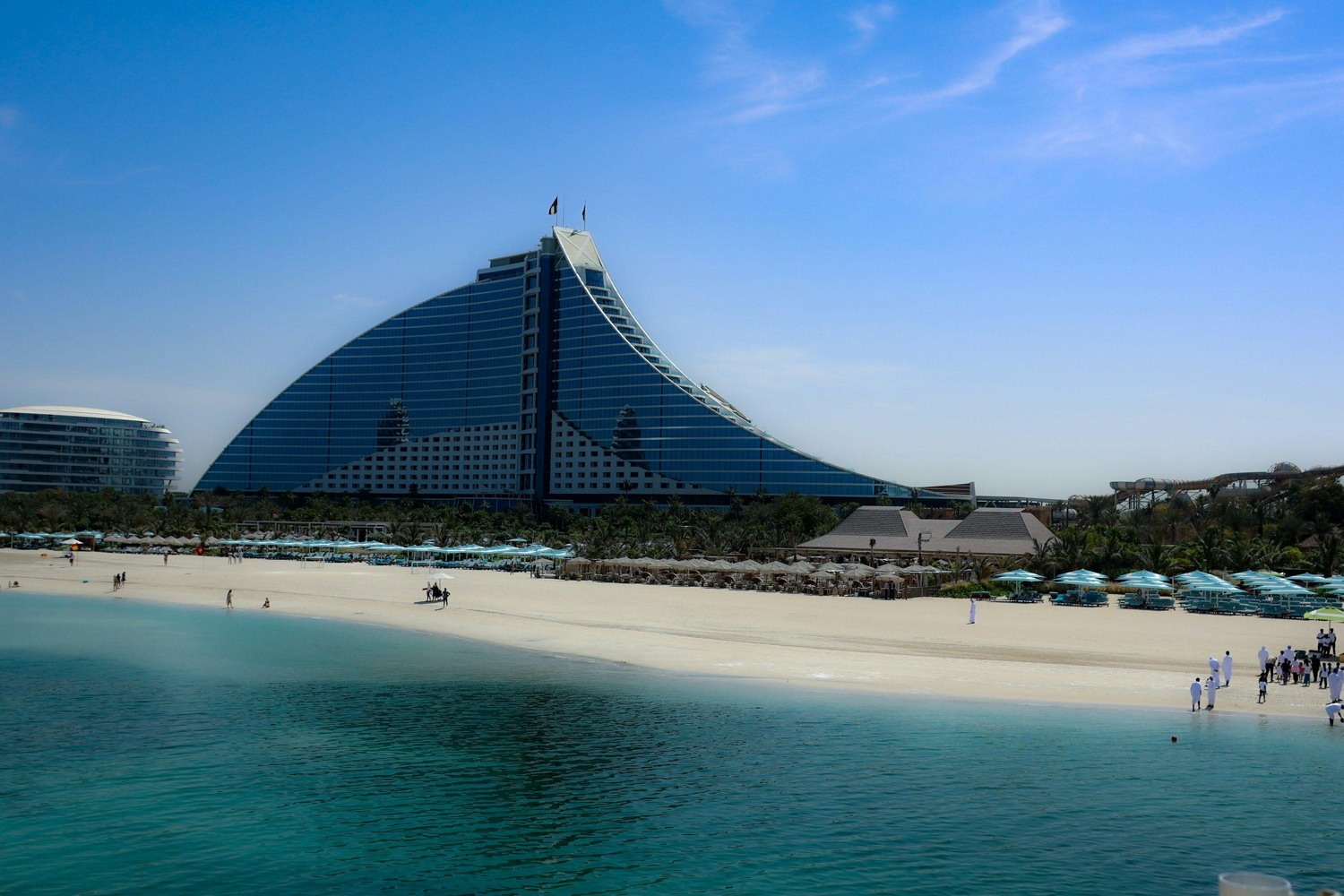
The district's main open spaces are Kite Beach, with its running and water-sports infrastructure, and Umm Suqeim Park with green areas for families. The third sub-district holds Wild Wadi waterpark and the hotel promenades with their restaurants; the souk and waterways of Madinat Jumeirah form a separate walking territory. Beach life here is everyday: morning runs, school routes and cafés by the water rather than a purely visitor format.
Transport and parking
RTA city buses serve Jumeirah Beach Road; check current routes and stops in the RTA journey planner. The car remains the main mode: villas include their own spaces. Journeys to the city's business areas run via Sheikh Zayed Road and Al Wasl Road.
Schools, healthcare and everyday services
The district is known for schools and nurseries across Umm Suqeim 1-3 and along Jumeirah Street, with clinics and hospitals in the surrounding area. For a family, the route to the specific school at commuting hours matters more than a list of names.
Hotels and the resort shoreline
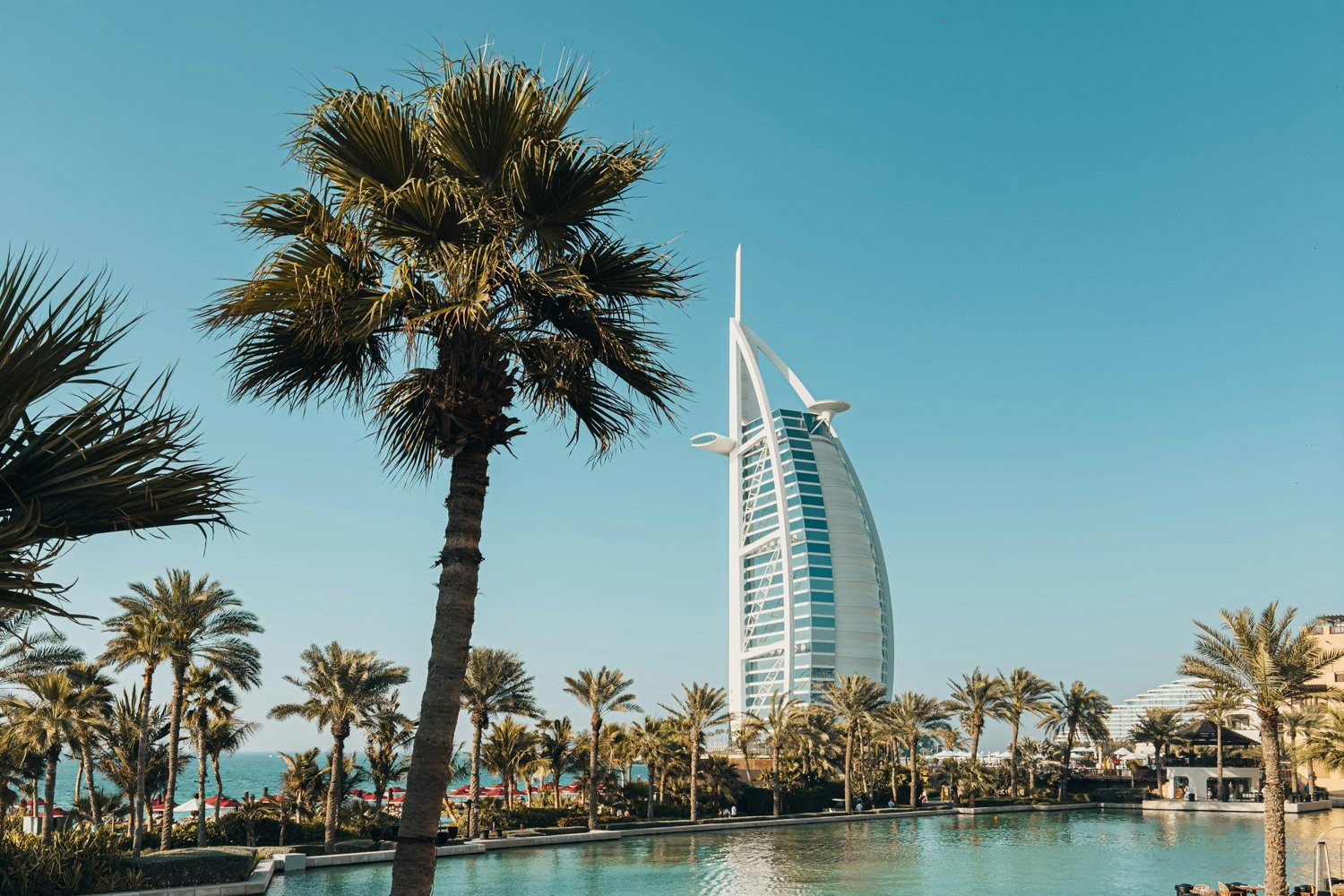
The third sub-district forms one of the main hotel zones of the Dubai shoreline: Jumeirah Beach Hotel with more than 598 rooms, the Al Naseem and Al Qasr resorts within Madinat Jumeirah, and the newer Jumeirah Marsa Al Arab. For residents this means restaurants, spas and beach clubs within walking or short driving distance, plus livelier traffic at hotel entrances in high season. When choosing a home near the resort zone, assess evening traffic and guest parking for the specific property.
Who it suits and how to use it in a home search
Umm Suqeim suits families who want a beach within walking distance, schools close to home and an established low-rise setting without high-rise development. The trade-offs are a car-based transport model and the age of part of the stock: villas from different decades differ in condition, layout and energy efficiency. Assess the specific house and street: the state of maintenance and landscaping, the real walking route to the beach, noise near hotel zones and contract terms. The sub-district number in the address gives an early indication of what that part of the area is like.