Separate the system from the payment arrangement
District cooling describes a cooling service. Chiller-free in a listing describes a promise about who pays. The terms answer different questions, so do not treat them as two equally defined pieces of equipment. Ask the landlord to state in writing who supplies the cooling, who receives the bill and which costs the rent includes. For a purchase, establish the same arrangement with building management. A listing label does not replace the contract or a calculation for the actual apartment.
Identify the arrangement in this building
Record the supplier and, if a different company issues invoices, its role. Ask whether the property uses a district network or a single-building system with consumption allocated to apartments. Dubai regulations distinguish these arrangements. Request the account or contract reference, unit identifier and meter number. Do not copy a neighbouring building arrangement onto your chosen home: a familiar district name does not establish the payer, applicable tariff or responsibility for equipment inside the apartment.
Read the lines before the total
RSB rules distinguish capacity and consumption charges. The former relates to allocated contracted cooling capacity; the latter to the measured amount of cooling energy. Other authorised lines may apply, so request the full breakdown and the approved tariffs applicable to the building. Do not use a universal rate from an article or an old listing. Keep the units and billing period visible: an annual capacity tariff and a monthly amount payable are not interchangeable figures.
A fixed capacity charge is not universal
Cooling arrangements do not all have the same billing structure. The current RD10 expressly prohibits charging capacity charges to units in Single Building District Cooling Systems. Other arrangements require their applicable terms and approved tariffs to be checked. This is a reason to establish the system classification and the basis of each line, not to declare a bill unlawful yourself. If the supplier explanation conflicts with the documents, request a written response and, where needed, qualified advice before setting the budget.
Compare more than one billing period
Request redacted invoices for the same apartment across different months, including summer, and ask how it was occupied. A vacant apartment bill does not describe a household that stays home throughout the day. Check opening and closing readings, the period and any estimated values: RD06 provides for estimates to be marked E. Do not turn one low payment into an annual forecast. Leave unknown months as unknown and show a separate contingency in your own budget.
Define the limits of chiller-free
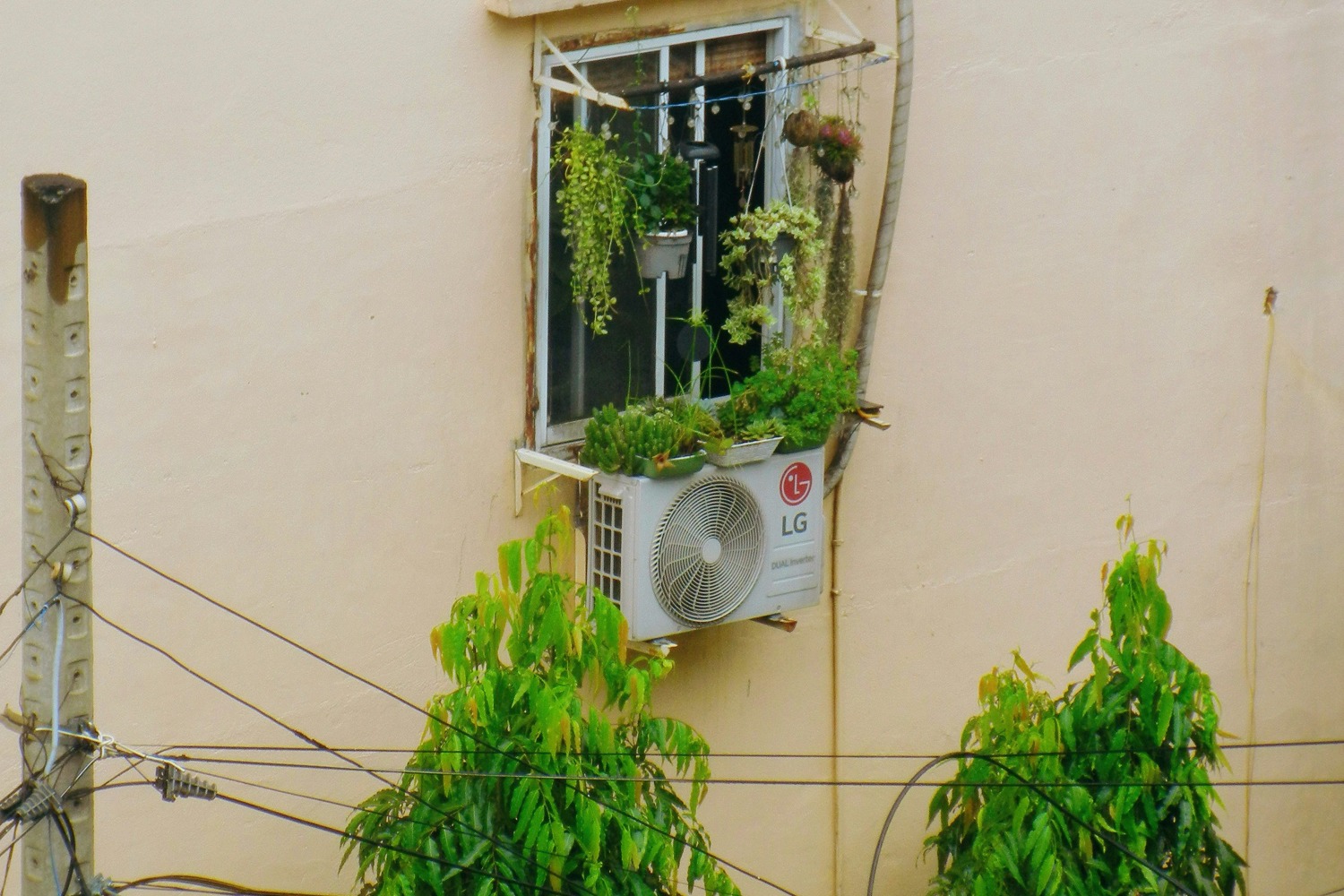
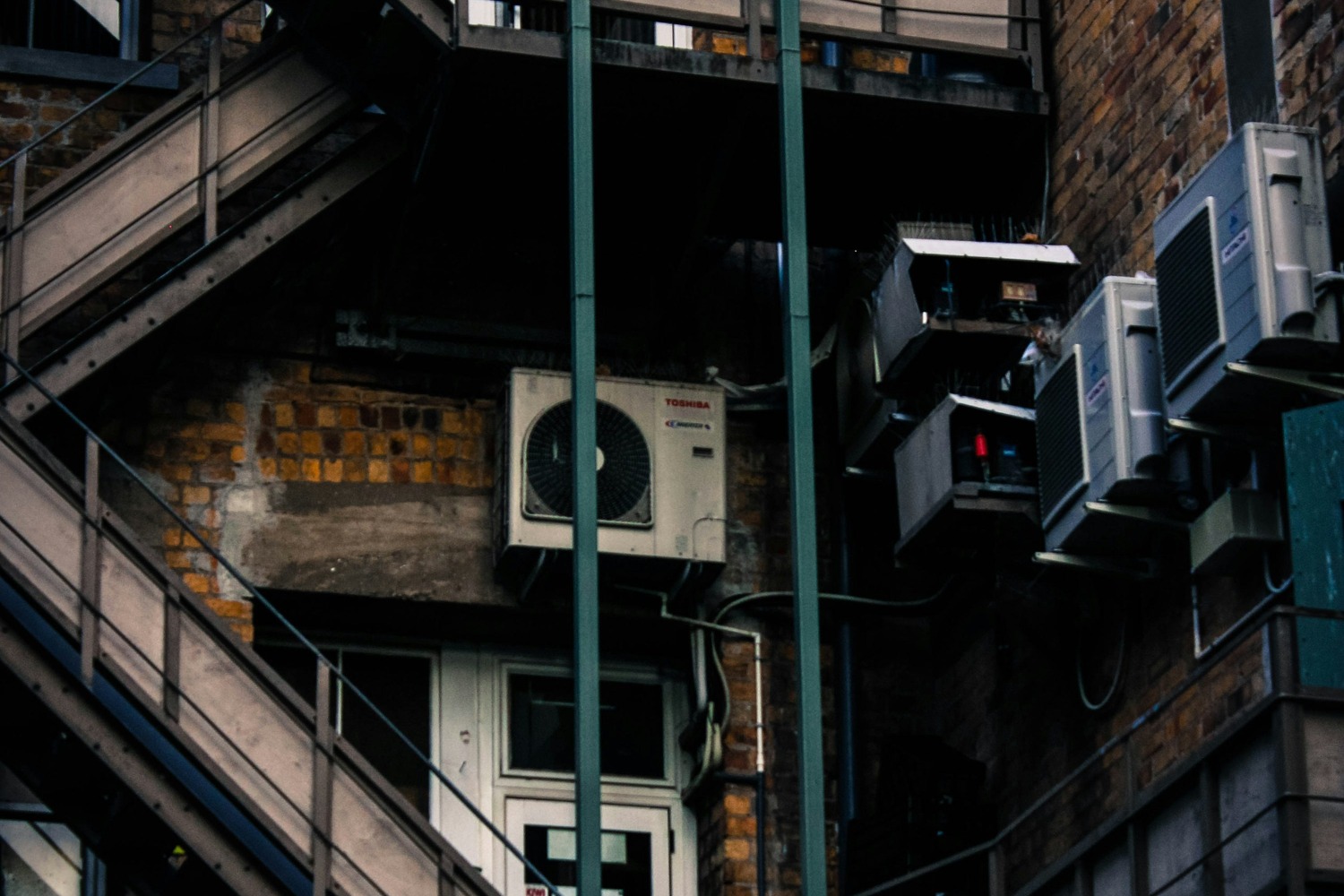
Ask for a list of what the landlord pays and what remains with the tenant: cooling, electricity inside the apartment, equipment servicing, registration or any other applicable items. Ask whether limits apply and where they are written into the contract. Do not assume unlimited use or the absence of every air-conditioning expense from a listing headline. The photographs here show ordinary outdoor units, not a district cooling plant. The appearance of a grille or equipment cannot establish the payment arrangement either.
Separate running costs from moving in and out
Request the applicable account-opening and closing terms, deposit arrangements, final-bill process and confirmation of the previous balance. These are checks, not a claim that every listed payment must arise. For a purchase, also establish which costs relate to common areas and how the building budget treats them. Do not add a line twice if it is already included in service charges. Keep the responses with the contract and latest invoice rather than relying on a verbal total.
Put the decision into one comparison
For each property, record rent or ownership costs, the confirmed cooling arrangement, included services, separate payments and unresolved questions. Compare the same period, similar occupancy and the same cost boundaries. What matters is a clear amount and clear responsibilities, rather than the word free. Photos were published in 2019 and 2025, with capture dates unknown. They illustrate equipment, not ARMITAGE property.